

Enhance Mobility with Foot Biomechanics Assessment: Mobility and Foot Health Analysis
Mobility is a fundamental aspect of overall health and well-being. It influences how individuals perform daily activities, engage in sports, and recover from injuries. One critical yet often overlooked factor in mobility is the health and function of the feet. The feet serve as the foundation for the entire body, and any dysfunction or imbalance can lead to discomfort, reduced performance, and long-term complications. Understanding and improving foot function through a detailed mobility and foot health analysis can significantly enhance movement efficiency and reduce injury risk.
In this article, I will explore the importance of foot biomechanics, the process of assessing foot health, and practical steps to improve mobility through targeted interventions. This information is particularly valuable for athletes, individuals recovering from injuries, and those committed to maintaining optimal physical health.
The Importance of Mobility and Foot Health Analysis
Mobility depends on the coordinated function of muscles, joints, and connective tissues throughout the body. The feet play a pivotal role in this system by providing balance, shock absorption, and propulsion during movement. When foot mechanics are compromised, it can lead to altered gait patterns, increased strain on other joints, and a higher likelihood of injury.
A thorough mobility and foot health analysis helps identify specific issues such as overpronation, supination, or structural abnormalities. These conditions can cause pain in the feet, ankles, knees, hips, and lower back. By addressing these problems early, individuals can prevent chronic conditions and improve their overall movement quality.
For example, an athlete experiencing recurring knee pain may find that the root cause lies in improper foot alignment. Correcting this through targeted exercises, orthotics, or footwear adjustments can alleviate pain and enhance performance. Similarly, someone recovering from a foot injury can benefit from a detailed assessment to ensure proper healing and prevent future complications.
What is a biomechanical foot assessment?
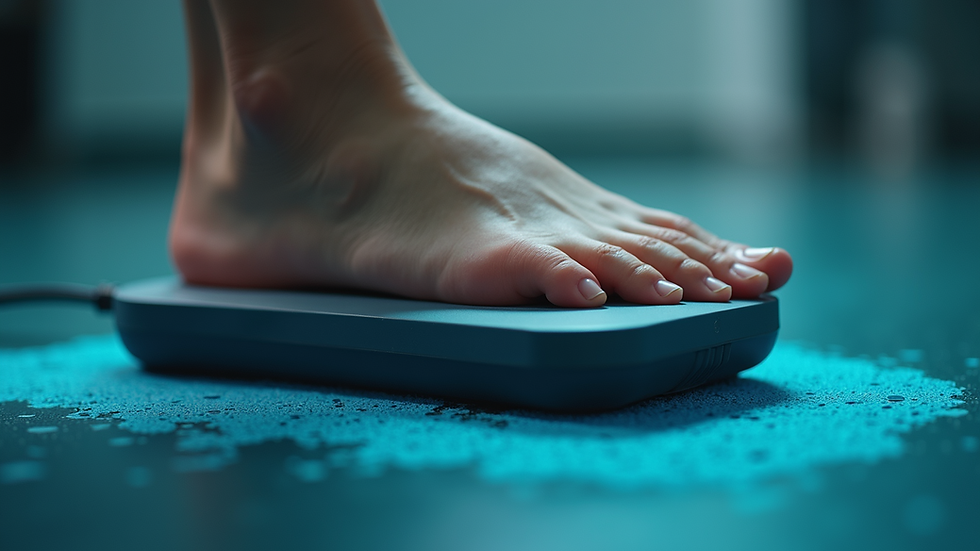
A biomechanical foot assessment is a comprehensive evaluation of the foot’s structure, function, and movement patterns. This assessment aims to understand how the foot interacts with the ground and supports the body during various activities. It involves both static and dynamic analysis, often using advanced tools and techniques.
During the assessment, a specialist examines the foot’s alignment, arch height, joint mobility, muscle strength, and gait mechanics. Tools such as pressure plates, video gait analysis, and 3D scanning may be used to gather precise data. This information helps identify abnormalities like flat feet, high arches, or uneven weight distribution.
The assessment also considers the impact of footwear and surface conditions on foot function. Based on the findings, a personalised plan is developed to address any issues. This plan may include exercises to strengthen specific muscles, recommendations for custom orthotics, or advice on appropriate footwear.
The goal of a biomechanical foot assessment is to optimise foot function, reduce pain, and enhance overall mobility. It is a valuable tool for anyone seeking to improve their physical health, especially those involved in sports or recovering from injury.
Key Components of a Foot Biomechanics Assessment
A detailed foot biomechanics assessment typically includes several key components:
Visual Inspection
The examiner observes the foot’s shape, skin condition, and any visible deformities. This initial step helps identify obvious issues such as bunions, calluses, or swelling.
Range of Motion Testing
The mobility of the ankle, subtalar joint, and toes is measured. Limited or excessive movement can indicate underlying problems.
Muscle Strength Evaluation
Strength tests focus on muscles that control foot and ankle movement. Weakness in these muscles can contribute to instability and poor mechanics.
Gait Analysis
Observing the individual walking or running provides insight into dynamic foot function. This may be done on a treadmill or overground, often with video recording for detailed review.
Pressure Distribution Measurement
Pressure plates or insoles measure how weight is distributed across the foot during standing and movement. Uneven pressure can lead to pain and injury.
Footwear Assessment
The type and condition of footwear are evaluated to ensure they support proper foot mechanics.
Each of these components contributes to a comprehensive understanding of foot health and mobility. The results guide the development of targeted interventions to improve function and prevent injury.
Practical Recommendations to Enhance Mobility Through Foot Care
Improving mobility through foot care requires a combination of assessment, intervention, and ongoing maintenance. Here are practical steps that can be taken following a foot biomechanics assessment:
Custom Orthotics
Custom-made insoles can correct alignment issues and provide support tailored to individual needs. They help distribute pressure evenly and reduce strain on joints.
Strengthening Exercises
Targeted exercises for the foot and ankle muscles improve stability and control. Examples include toe curls, heel raises, and resistance band exercises.
Flexibility Training
Stretching tight muscles and tendons, such as the calf muscles and plantar fascia, enhances range of motion and reduces stiffness.
Proper Footwear Selection
Choosing shoes that fit well and provide adequate support is essential. Footwear should match the individual’s activity level and foot type.
Regular Monitoring
Periodic reassessment ensures that interventions remain effective and adjustments can be made as needed.
Injury Prevention Strategies
Incorporating balance training and proprioceptive exercises helps prevent falls and injuries by improving body awareness.
By following these recommendations, individuals can maintain healthy foot mechanics and enjoy improved mobility. This approach supports long-term physical health and enhances quality of life.

The Role of Expert Guidance in Foot Health and Mobility
Expert guidance is crucial when addressing foot health and mobility issues. Professionals such as sports physiotherapists, podiatrists, and orthotists have the knowledge and tools to conduct thorough assessments and design effective treatment plans.
At Fitness.Inc, the focus is on a scientific approach to recovery and wellness. This includes using advanced techniques for foot biomechanics assessment to identify the root causes of mobility problems. The team works closely with clients to develop personalised strategies that promote healing, enhance performance, and prevent future injuries.
Seeking expert advice ensures that interventions are safe, evidence-based, and tailored to individual needs. It also provides ongoing support and education, empowering individuals to take control of their foot health and mobility.
Moving Forward with Confidence and Improved Mobility
Understanding the connection between foot health and overall mobility is essential for anyone committed to physical fitness and injury prevention. A detailed mobility and foot health analysis provides valuable insights that can transform how individuals move and feel.
By investing in a professional assessment and following targeted recommendations, it is possible to correct biomechanical imbalances, reduce pain, and enhance performance. This proactive approach supports long-term wellness and enables individuals to pursue their goals with confidence.
Foot health is the foundation of mobility. Prioritising it through expert assessment and care is a wise decision that yields lasting benefits. Whether recovering from injury or striving for peak athletic performance, the path to improved mobility begins with understanding and optimising foot biomechanics.


Comments